THRIVING TOGETHER → MODULE 3
MODULE 3 –
Community Health Centers as Stewards

What is Shared Stewardship?
The work of achieving the goal of all people and places thriving, no exceptions, rests with stewards: people, organizations, and networks who collaborate with others to strengthen the conditions everybody needs to thrive together, beginning with those who are struggling and suffering. Stewards work toward the North Star of thriving together by expanding vital conditions.
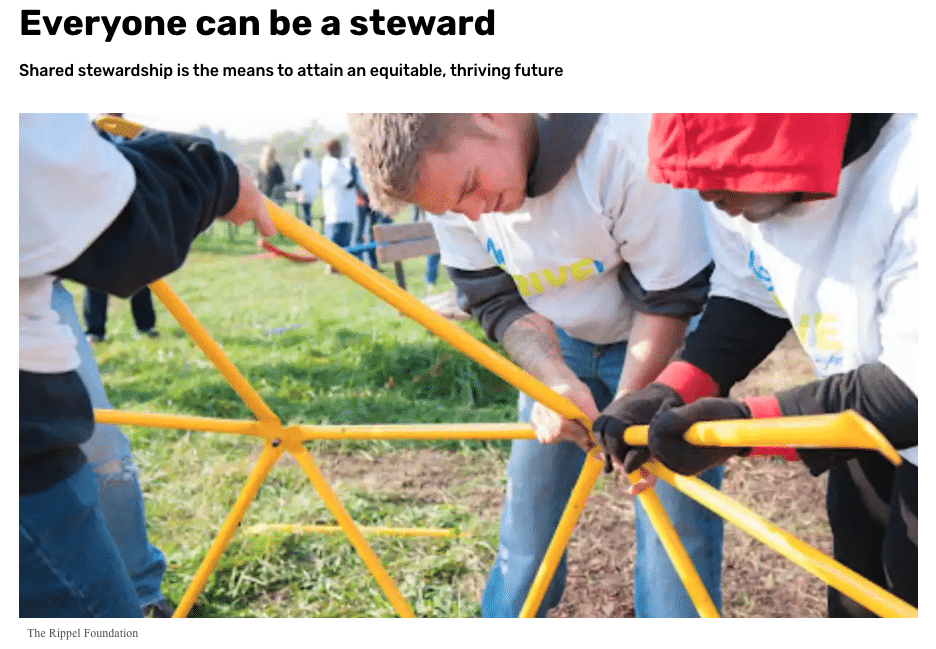
Shared stewardship goes beyond traditional leadership. Leaders often focus mainly on their own individual or organizational interests. Stewards, however, are driven by an expansive understanding of what we can accomplish by bridging differences and embracing our mutual interests—striving to transform unjust systems and building a future in which everyone can thrive. That is why shared stewardship, animated by belonging and civic muscle, is an antidote to the disconnection, fragmentation, and systemic exclusion that too often divides Americans and causes so much struggling and suffering.
By strengthening stewardship, those working to build healthy, equitable communities can shift levers—like organizational strategies, policies, resource flows, and power dynamics—that ultimately work to expand vital conditions.
Essential practices for shared stewardship
The essential practices for shared stewardship, identified through The Rippel Foundation’s ReThink Health initiative, are about how people, organizations, and partners work together to create the conditions everyone needs to thrive. Rather than a step-by-step formula, they describe a way of working that helps people build trust, work across differences, create new possibilities, and keep learning as conditions change. Together, the practices help shift teams from acting alone or reacting to urgent needs toward shared responsibility, long-term thinking, and coordinated action for health and well-being. These 15 practices are organized across three interconnected areas:
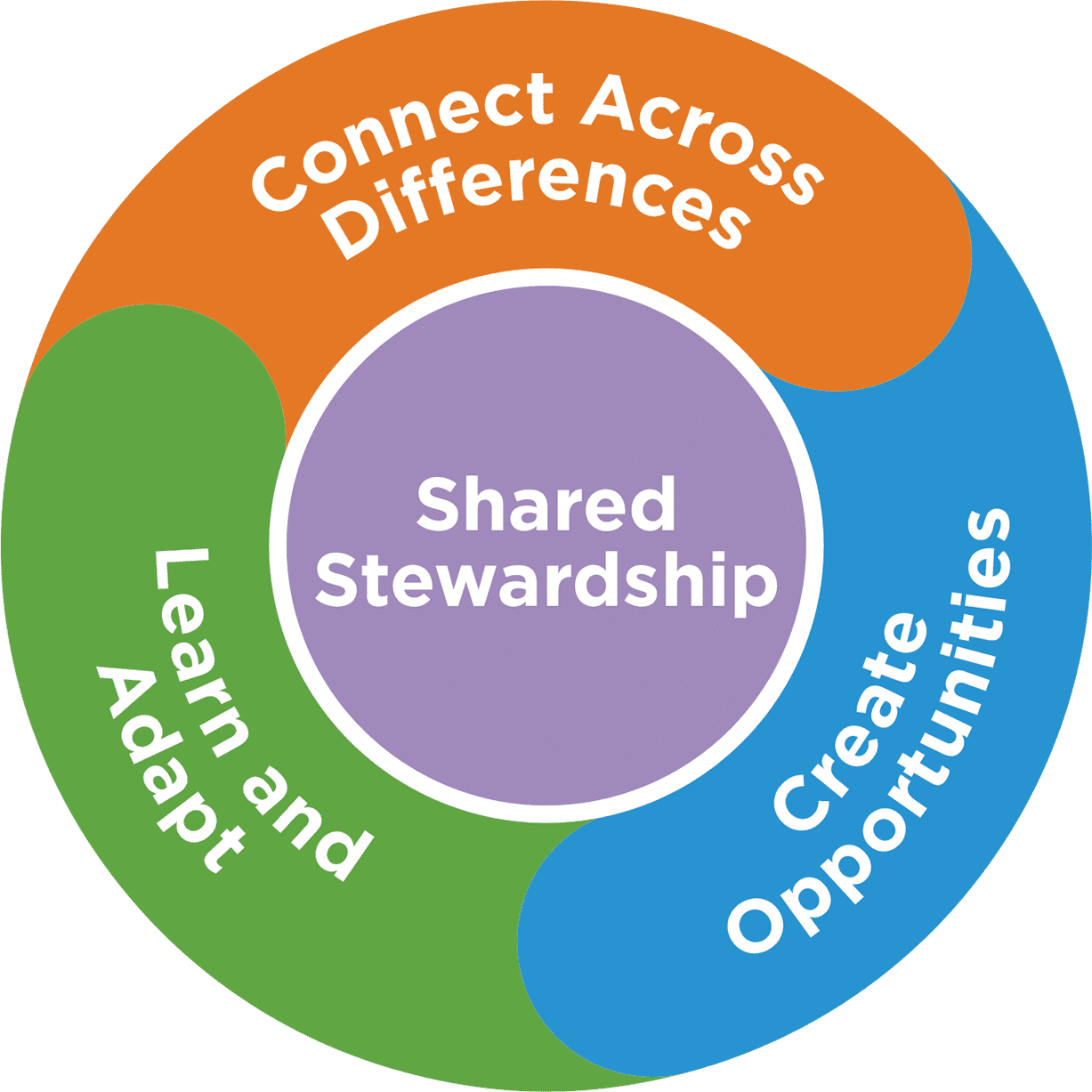
- Connecting across differences by building trust, valuing unheard voices, strengthening relationships, and sharing power
- Creating transformative opportunities by expanding aspirations, changing the story, multisolving, and aligning action for long-term change
- Learning and adapting by embracing complexity, using data and reflection, and adjusting as conditions and understanding evolve
Explore the full set of 15 essential practices to see how shared stewardship comes to life in action.
IN PRACTICE
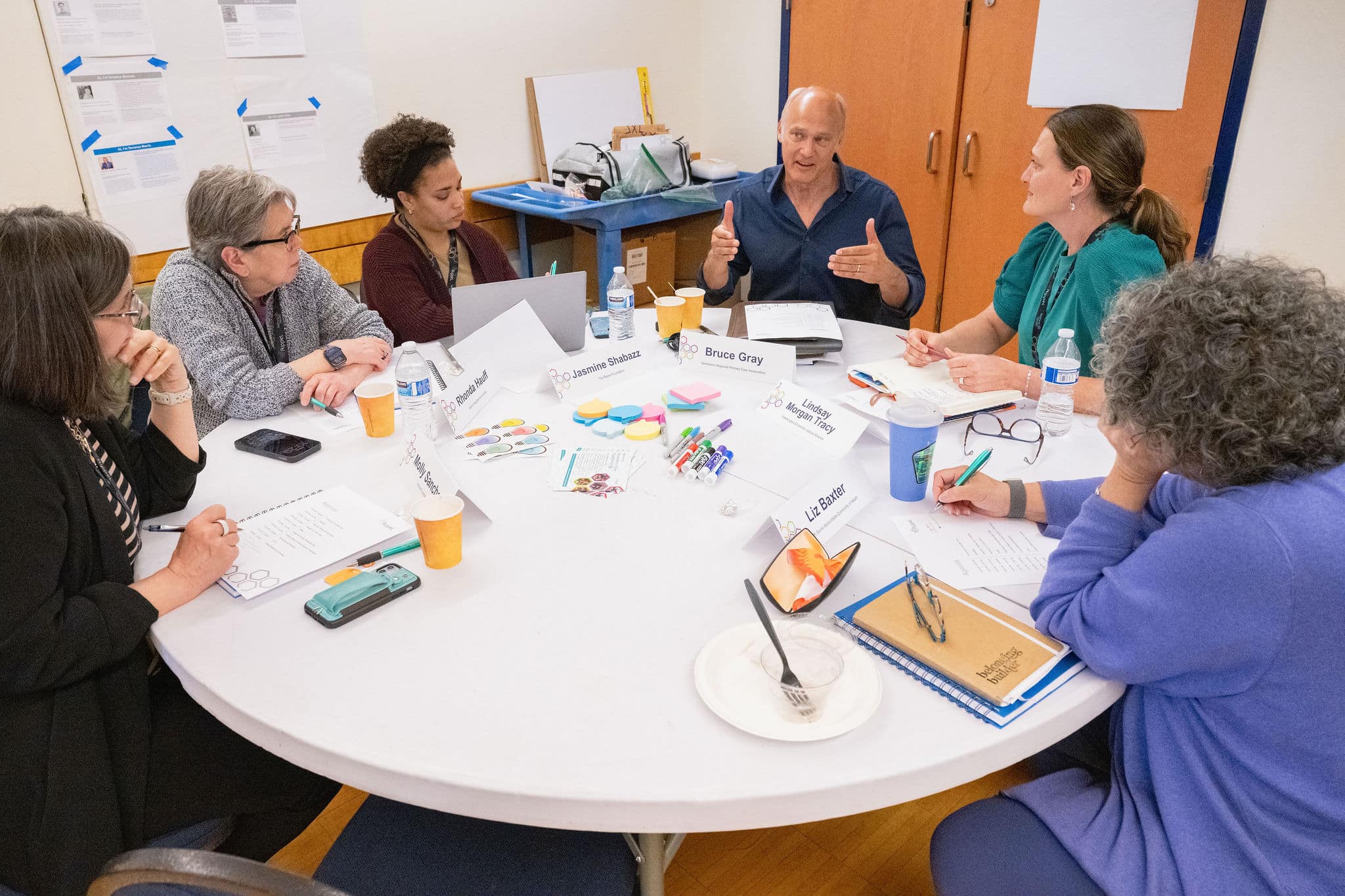
A community health center joined a regional collaborative focused on transportation access. Rather than leading the effort, the health center contributed by:
-
- sharing data on missed appointments related to transportation barriers
- helping identify populations most affected
- participating in strategy discussions
This information helped partners prioritize solutions and align efforts across sectors.
A health center participated in a local initiative focused on strengthening belonging and civic participation. Staff worked with community organizations to:
-
- host community conversations
- connect patients to local events and opportunities
- share insights about barriers to participation
The health center’s involvement helped bridge clinical care and community-based efforts, contributing to broader work on belonging.

A TOOL YOU CAN USE
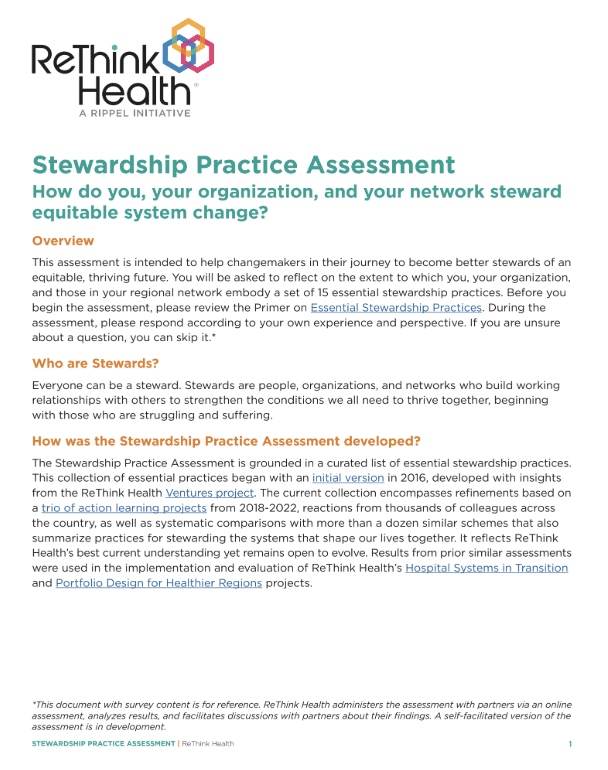
Stewardship Assessment
The Stewardship Assessment asks changemakers to reflect on the extent to which they embody a set of 15 essential stewardship practices to support their journey to become better stewards of an equitable, thriving future.
Put What You’ve Learned Into Practice
TEAM REFLECTION QUESTIONS
What does shared stewardship mean for us in our role as a team and organization?
Where do we see shared stewardship already showing up in our work, and where does it need more attention?
What would need to shift for us to lead with shared responsibility for long-term well-being, not only urgent needs?
WHAT WE’VE LEARNED
Use these prompts to explore this concept in practice.
- NStewardship is a shared responsibility for improving the conditions that shape health and well-being
- NCommunity health centers play an important role as partners in stewarding these conditions
- NStewardship involves how decisions are made, how resources are used, and how partnerships are formed
- NProgress depends on working across organizations and sectors toward shared outcomes
Explore resources and learn more


